
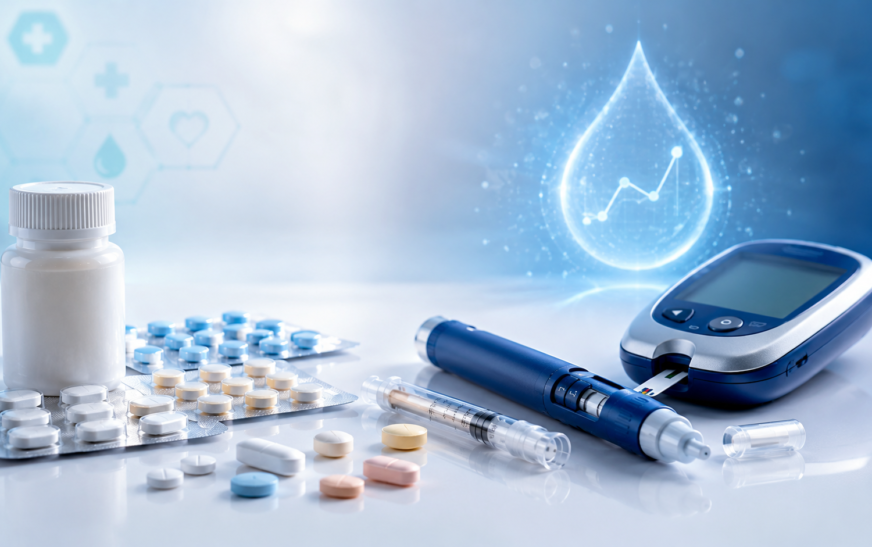
Managing diabetes often raises one practical question: should treatment start with tablets, or is insulin better? The answer is not the same for everyone. Diabetes treatment depends on the type of diabetes, blood glucose levels, A1C, other health conditions, treatment goals, side effects, cost, and personal preferences. Before understanding treatment options, it is helpful to know what diabetes is and how insulin affects blood glucose levels. Diabetes medicines are chosen to lower blood glucose safely while also considering heart, kidney, weight, and overall health.
Table of Contents
ToggleFor people with type 1 diabetes, insulin is essential because the pancreas does not make enough insulin. People with type 2 diabetes may use tablets, injectable medicines, insulin, or a combination, depending on how their condition changes over time. Some people may need insulin temporarily during illness, pregnancy, surgery, or hospitalization.
This guide explains the difference between tablets and insulin, how diabetes medicines are selected, their benefits and limitations, and what to discuss with a healthcare professional.
What Are Diabetes Medicines?
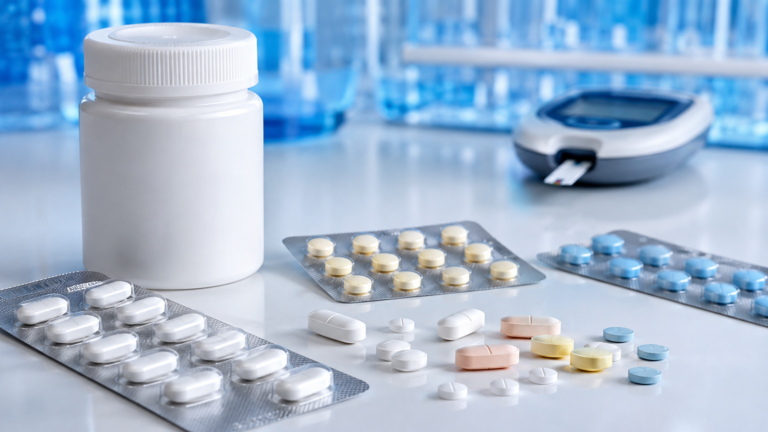
Diabetes medicines are treatments used to help control blood glucose. They work in different ways. Some reduce the amount of glucose made by the liver, some help the body respond better to insulin, some increase insulin release, some slow digestion or reduce appetite, and some help the kidneys remove excess glucose through urine.
The choice of diabetes medicines depends on the type of diabetes, blood glucose pattern, other health conditions, and individual needs. Current American Diabetes Association guidance emphasizes a person-centered approach that considers glucose-lowering effectiveness, cardiovascular and kidney health, weight, hypoglycemia risk, side effects, cost, access, and personal preferences.
Common groups include:
- Metformin
- SGLT2 inhibitors
- Sulfonylureas
- DPP-4 inhibitors
- GLP-1 receptor agonists
- Dual GIP/GLP-1 receptor agonists
- Thiazolidinediones
- Insulin
Not every medicine is suitable for every person. A healthcare professional may use one medicine or combine different treatments.
For more information about insulin, oral medicines, and other treatment options, see this detailed guide on diabetes treatment and medicines from the National Institute of Diabetes and Digestive and Kidney Diseases (NIDDK).
Diabetes Medicines: Tablets vs Insulin — What Is the Main Difference?
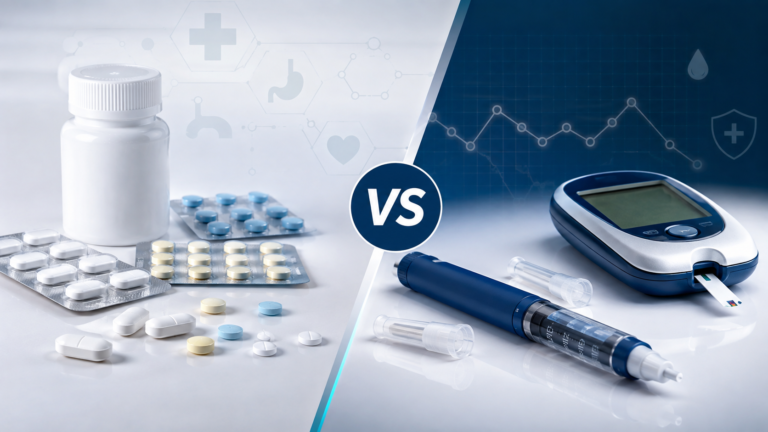
The biggest difference between these diabetes medicines and insulin is how the treatment is delivered and how it affects the body’s insulin supply.
Tablets are taken by mouth and include several drug classes with different actions. Some tablets help the body use its own insulin more effectively, while others reduce glucose production or increase glucose removal.
Insulin is a hormone replacement treatment. It is usually delivered through an insulin pen, syringe, or pump. It directly provides insulin that the body needs to move glucose from the bloodstream into cells.
For type 1 diabetes, insulin cannot simply be replaced with diabetes medicines in tablet form because the body does not produce the insulin required for survival. For type 2 diabetes, tablets can often be useful, but insulin may become necessary when the pancreas produces too little insulin or blood glucose becomes very high.
Is Insulin Better Than Diabetes Medicines in Tablet Form?
There is no single treatment among diabetes medicines that is automatically better for everyone. Insulin is very effective at lowering glucose, but it can cause low blood glucose and may lead to weight gain. Tablets can be easier to take and some have additional heart, kidney, or weight benefits, but their suitability depends on the person and the specific medicine.
For adults with type 2 diabetes who do not have severe hyperglycemia, current ADA guidance generally prefers GLP-1-based therapy over insulin when injectable treatment is needed. However, insulin should be considered when hyperglycemia is severe, especially when blood glucose is very high, A1C is above 10%, or symptoms of hyperglycemia are present.
This means the goal is not to choose the strongest treatment automatically. The goal is to choose the right treatment for the individual’s current needs.
When Are Diabetes Medicines Used for Type 2 Diabetes?
Many people with type 2 diabetes start with lifestyle changes and a non-insulin medicine. Metformin is commonly used because it is effective, inexpensive, widely available, and generally does not cause hypoglycemia when used alone.
However, modern diabetes medicines are not limited to metformin. Some people may benefit from specific diabetes medicines such as SGLT2 inhibitors or GLP-1-based medicines because of cardiovascular, kidney, or weight-related considerations.
The best option depends on the person’s medical history.
Diabetes medicines in tablet form may be suitable when:
- Blood glucose is not severely elevated.
- The person can take oral medicine safely.
- Kidney and liver function allow the selected medicine.
- The medicine matches the person’s health goals.
- There are no major contraindications or intolerable side effects.
Some people eventually need more than one medicine because type 2 diabetes can progress over time. Treatment may be intensified if blood glucose or A1C remains above the individualized target.
When Is Insulin Used?
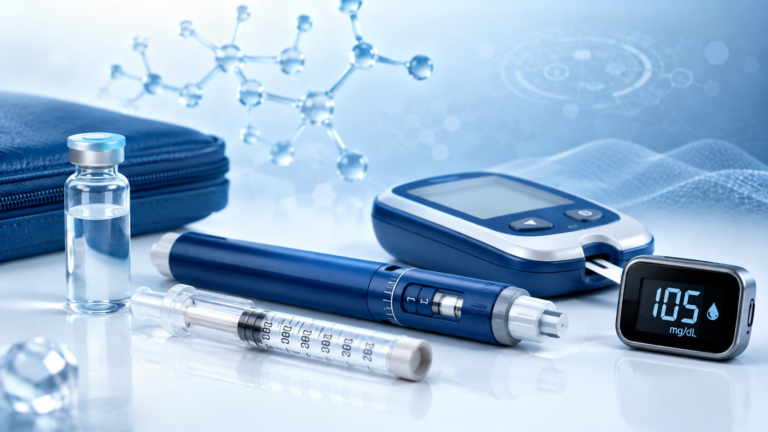
Insulin may be used in both type 1 and type 2 diabetes, while other diabetes medicines may be used alongside it depending on the reason for treatment.
In type 1 diabetes, insulin is required because the pancreas does not make the insulin needed to control blood glucose.
In type 2 diabetes, insulin may be added when other treatments do not provide enough glucose control. It may also be used earlier when blood glucose is very high or symptoms of hyperglycemia occur.
ADA guidance recommends considering insulin in adults with type 2 diabetes when symptoms of hyperglycemia are present or when A1C is greater than 10% or blood glucose is at least 300 mg/dL.
Insulin may also be used temporarily during:
- Serious illness
- Hospitalization
- Surgery
- Pregnancy, when clinically indicated
- Periods of severe hyperglycemia
Starting insulin does not necessarily mean a person has failed at diabetes management or that previous diabetes medicines were ineffective forever. Treatment can change as the body’s needs change.
Can a Diabetic Take Pills Instead of Insulin?
Sometimes, but not always.
A person with type 1 diabetes cannot safely replace prescribed insulin with tablets. Insulin is necessary because the body is unable to produce enough of it.
For type 2 diabetes, some people can manage their blood glucose with tablets or other non-insulin treatments. Others may eventually require insulin, either alone or in combination with other treatments.
The decision depends on blood glucose, A1C, symptoms, pancreatic insulin production, kidney function, other illnesses, medication response, and treatment goals.
Stopping insulin without medical advice can cause dangerously high blood glucose and, in some situations, diabetic ketoacidosis. Anyone considering a change in treatment should discuss it with their healthcare professional first.
Why Do Hospitals Use Insulin Instead of Metformin?
Hospitals may use insulin because it can be adjusted quickly and its dose can be changed according to changing blood glucose levels. During hospitalization, people may have infections, surgery, reduced food intake, steroid treatment, or other stress-related changes that raise blood glucose.
Metformin may not be appropriate in every hospitalized patient, especially when kidney function is unstable or certain acute medical situations are present. Insulin can be used when clinicians need closer, more flexible glucose management.
This does not mean insulin is always better than metformin. It means the treatment needs of a hospitalized person can be different from those of someone managing stable type 2 diabetes at home.
Benefits and Limitations of Diabetes Medicines
Different diabetes medicines have different benefits, and the choice depends on the treatment goal.
Metformin can improve insulin sensitivity and reduce glucose production by the liver. It usually has a low risk of hypoglycemia when used alone and is generally weight neutral or may lead to modest weight loss.
Other tablet-based treatments can have different effects. SGLT2 inhibitors, for example, may provide cardiovascular and kidney benefits for selected people. Sulfonylureas can lower glucose effectively but can increase the risk of hypoglycemia and weight gain.
Possible limitations include:
- Stomach or digestive symptoms with some medicines
- Low blood glucose with certain drug classes
- Weight gain with some medicines
- Kidney-related restrictions for selected medicines
- Drug interactions
- Cost or access issues
Metformin can cause gastrointestinal side effects such as bloating, abdominal discomfort, and diarrhea. Long-term use may also be associated with vitamin B12 deficiency, so periodic assessment may be appropriate in some people.
Benefits and Limitations of Insulin
Insulin has a major advantage: it can lower blood glucose effectively and can be used when the body needs additional insulin.
It is essential for type 1 diabetes and can be highly effective for type 2 diabetes when glucose levels are difficult to control.
However, insulin requires careful dosing and monitoring. Its most important risk is hypoglycemia, especially when insulin doses do not match food intake, activity, or changing glucose needs. Some people also experience weight gain or injection-site problems.
Modern insulin pens, pumps, and automated insulin delivery systems can make insulin therapy easier for many people, while diabetes medicines may remain part of the overall plan.
The best delivery method depends on the type of insulin, cost, lifestyle, ability to monitor glucose, and individual preference.
Can Diabetes Medicines and Insulin Be Used Together?
Yes. In type 2 diabetes, insulin does not always replace other diabetes medicines or treatments.
Depending on the situation, a person may continue selected glucose-lowering medicines while starting insulin. The ADA recommends continuing certain glucose-lowering treatments when insulin is initiated, unless they are contraindicated or not tolerated, because some medicines can provide ongoing glucose, weight, cardiovascular, or kidney benefits.
A combination approach may allow lower insulin requirements or improve overall glucose control. However, medicines such as sulfonylureas may need reassessment when insulin is used because of the increased risk of hypoglycemia.
How Doctors Choose Between Tablets and Insulin
Doctors usually look at several factors before selecting diabetes medicines or insulin:
- Type of diabetes
- A1C and current blood glucose
- Symptoms of high blood glucose
- Kidney and liver function
- Cardiovascular or kidney disease
- Weight goals
- Risk of hypoglycemia
- Other medicines
- Cost and access
- Lifestyle and personal preferences
This person-centered approach is important because diabetes is not a one-size-fits-all condition. A medicine that works well for one person may not be appropriate for another.
What Happens If Diabetes Medicines Stop Working?
Type 2 diabetes can change over time, and diabetes medicines may need to change with it.
The pancreas may gradually produce less insulin, and insulin resistance may also change. As a result, a treatment plan that once controlled glucose well may eventually need adjustment.
If A1C rises, the doctor may increase a dose, add another medicine, change the medicine class, or consider insulin. This is not necessarily a sign that the person has done something wrong.
Regular monitoring helps identify when treatment needs to change. Never increase, reduce, or stop a medicine or insulin dose without professional guidance.
Lifestyle Still Matters
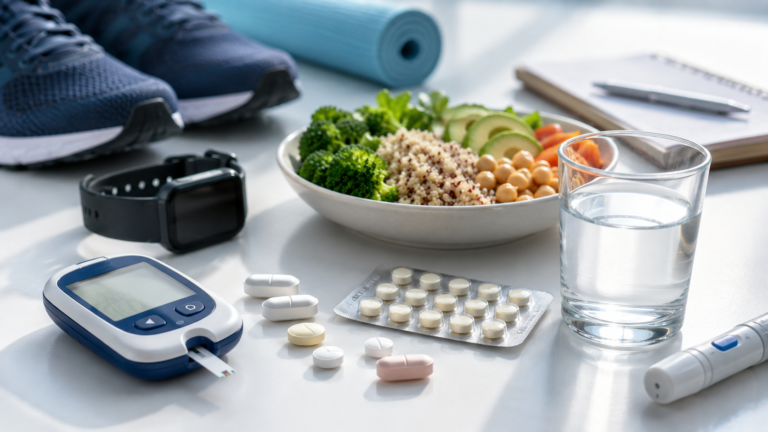
Diabetes medicines work best as part of a complete diabetes management plan. Healthy eating, regular physical activity, adequate sleep, stress management, and monitoring blood glucose can all support treatment.
Lifestyle changes do not mean that someone can always avoid medicine. Diabetes is a complex condition, and medication may be necessary even when a person follows healthy habits.
The aim is to combine lifestyle measures and diabetes medicines in a way that keeps glucose within the individualized target range while reducing the risk of complications.
Frequently Asked Questions (FAQs)
Is it better to take insulin or pills for diabetes?
Neither is universally better. Insulin is essential for type 1 diabetes and may be needed for type 2 diabetes when glucose is very high or other treatments are insufficient. Tablets can be appropriate for many people with type 2 diabetes.
Which is better for diabetes, insulin or diabetes tablets?
It depends on the individual. Diabetes tablets can be effective for many people with type 2 diabetes, while insulin provides direct insulin replacement and is essential in type 1 diabetes. Treatment should be based on glucose levels, A1C, health conditions, risks, and treatment goals.
Can a diabetic take pills instead of insulin?
Some people with type 2 diabetes can use tablets instead of insulin, but people with type 1 diabetes need insulin. A person already prescribed insulin should not stop it or replace it with tablets without medical advice.
Why do hospitals use insulin instead of metformin?
Insulin can be adjusted quickly during changing medical conditions, while metformin may not be suitable in some acute hospital situations. Hospital treatment depends on kidney function, illness severity, food intake, surgery, medications, and glucose levels.
Can diabetes medicines be taken with insulin?
Yes. Some people with type 2 diabetes use insulin together with other glucose-lowering medicines. The combination depends on the person’s health, treatment goals, side effects, and risk of hypoglycemia.
Conclusion
Choosing between tablets and insulin depends on the type of diabetes, blood glucose levels, A1C, overall health, and individual treatment needs. While many people with type 2 diabetes can manage their condition with tablets or other treatments, insulin is essential for people with type 1 diabetes and may also be needed when blood glucose becomes difficult to control. The right diabetes medicines can help manage blood sugar and reduce the risk of long-term complications when used correctly. Always consult a healthcare professional before starting, changing, or stopping any diabetes treatment.